
What Causes a Squealing AC Unit (and How to Fix It)
Air conditioning systems bring relief from hot weather. But they often create other problems along the way.
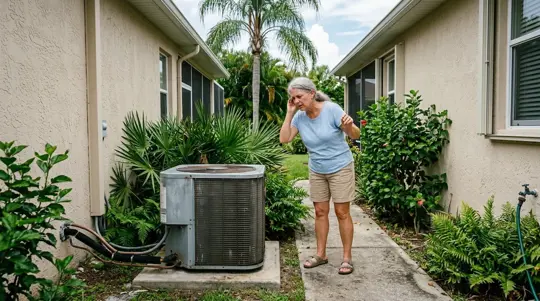
One of the most common issues is a squealing noise whenever your AC unit kicks on. AC noise is annoying enough during the day. It's even worse in the middle of the night when you're trying to sleep.
What's more frustrating than the squealing itself? Not knowing what's causing it.
A squeaking or squealing AC system can lead to bigger issues. Your AC might stop blowing cold air. In some cases, it can trigger major breakdowns that get expensive fast.
In this article, we'll look at what causes AC unit squealing and how to fix it. We'll cover common sources of air conditioner noise and signs you might need an AC repair.
1) An Issue With the AC Blower or Motor
The air conditioner blower assembly brings fresh air into your home. It also discharges warm, stale air.
If there's an issue with this part, you'll hear a loud squeal. The blower is struggling to pull in air. A trained HVAC technician can diagnose whether the blower motor needs repair or full replacement.
2) Faulty Fan Belt
The fan belt transfers power from the AC compressor to your unit. If this belt has broken or slipped off the drive pulley, you'll hear a loud grinding sound. It's most noticeable when the unit kicks on and off.
Inspect your AC unit for any signs of damage. If you spot wear on the belt, call an HVAC professional to replace it before it causes further damage.
3) Faulty Compressor Clutch
A compressor clutch controls when your AC unit turns on or off. It works by allowing or cutting power to the compressor.
This part is sometimes called an "overload relay" or "compressor circuit breaker." If it fails, your air conditioner won't function properly. You'll hear a lot of noise from the system as it struggles to cycle on and off.
4) Damaged Motherboard
The motherboard controls all other parts of your AC system. That includes switches, sensors, and electrical components.
A damaged motherboard can cause a range of issues, from erratic cycling to no power at all. If your AC unit is making unusual noises alongside other electrical problems, the motherboard could be the culprit.
5) Lubrication Might Be Required
Some air conditioning units use oil as a lubricant. Over time, that lubricant breaks down and needs replacing.
If you've recently changed out filters or had repairs done, check the lubrication. Your compressor or motor bearings may need oiling before you run the unit again. Dry bearings create friction, and friction creates noise.
6) Obstructed Line
A blockage in your AC system restricts airflow and creates strain. That strain often shows up as squealing or whining sounds.
If you suspect a blockage, start by removing the cover and cleaning the unit thoroughly. Avoid using chemical cleaners or degreasers on your AC unit. These products can damage internal components.
7) Motor Bearings May Need Replacing
Worn motor bearings are a common cause of AC noise. The bearings on the motor shafts wear out over time. As they degrade, the shaft wobbles inside the motor housing.
These wobbles create friction between the bearing and shaft. That friction leads to noise and vibration throughout the system. Replacing worn bearings is a job best handled by an HVAC technician.
8) Blower Assembly Has a Bad Bearing
The blower in your AC unit uses fan blades that spin at high speed inside their housing. If one of these blades breaks off from excessive wear, it creates noise and vibration.
A damaged blower blade puts stress on the entire system. Have a professional inspect and replace the damaged component before it leads to a bigger repair.
9) Frozen Evaporator Coils
The evaporator coils in your air conditioner circulate refrigerant to cool the air. If frost or ice builds up, the coils can stick together and vibrate at an unusually high rate.
Frozen evaporator coils can damage the inside of the coil assembly. Left unchecked, this problem leads to complete system failure. If you notice ice on your AC unit, turn it off and call a technician.
10) Damaged Condenser Fan
A thermostat controls the condenser fan. It turns the fan on and off to maintain your desired room temperature.
If the thermostat has failed or the fan motor is damaged, you'll hear unusual noises from your AC unit. Start by checking for blown fuses and loose connections in the fuse box. If those checks don't solve the problem, it's time to call an HVAC repair professional.
How to Check a Squeaking or Squealing AC Unit
Spotting the reason for a squeaking AC unit isn't always easy. Here are some steps to help you inspect your system:
- Check the condition of the unit. Look for rust, corrosion, or anything that seems off. If something looks concerning, contact an HVAC expert right away.
- Look for loose or broken parts. Loose components inside your AC system cause rattling and overheating. If you spot any damage, call a technician before running the unit.
- Turn off the breaker first. Before inspecting anything, make sure no electricity is flowing through the system. Clear any obstructions around the front and back of the unit.
- Check for air leaks. Listen for air escaping from the air handler into your attic or walls. Loose connections and worn-out gaskets are the most common causes of AC air leaks.
- Clean out any dirt buildup. Remove dust and debris with soap and water, then wipe everything dry. Make sure your filters are clean before turning the system back on.
Need an AC Repair? Call Von's for Expert Help
Fixing a squeaking AC can be tricky. Many of the parts that make up the system sit on the roof or inside the walls. Diagnosing the source of the noise takes experience and the right tools.
The team at Von's Heating and Air handles all types of HVAC problems. From clogged vents and broken coils to leaky systems and squealing units, we've seen it all.
Our friendly HVAC technicians in Orange Park are available for AC repair and emergency service throughout the Jacksonville area.
Call Von's Heating and Air at (904) 621-2953 to schedule your AC repair appointment. Or visit our contact page to book online.